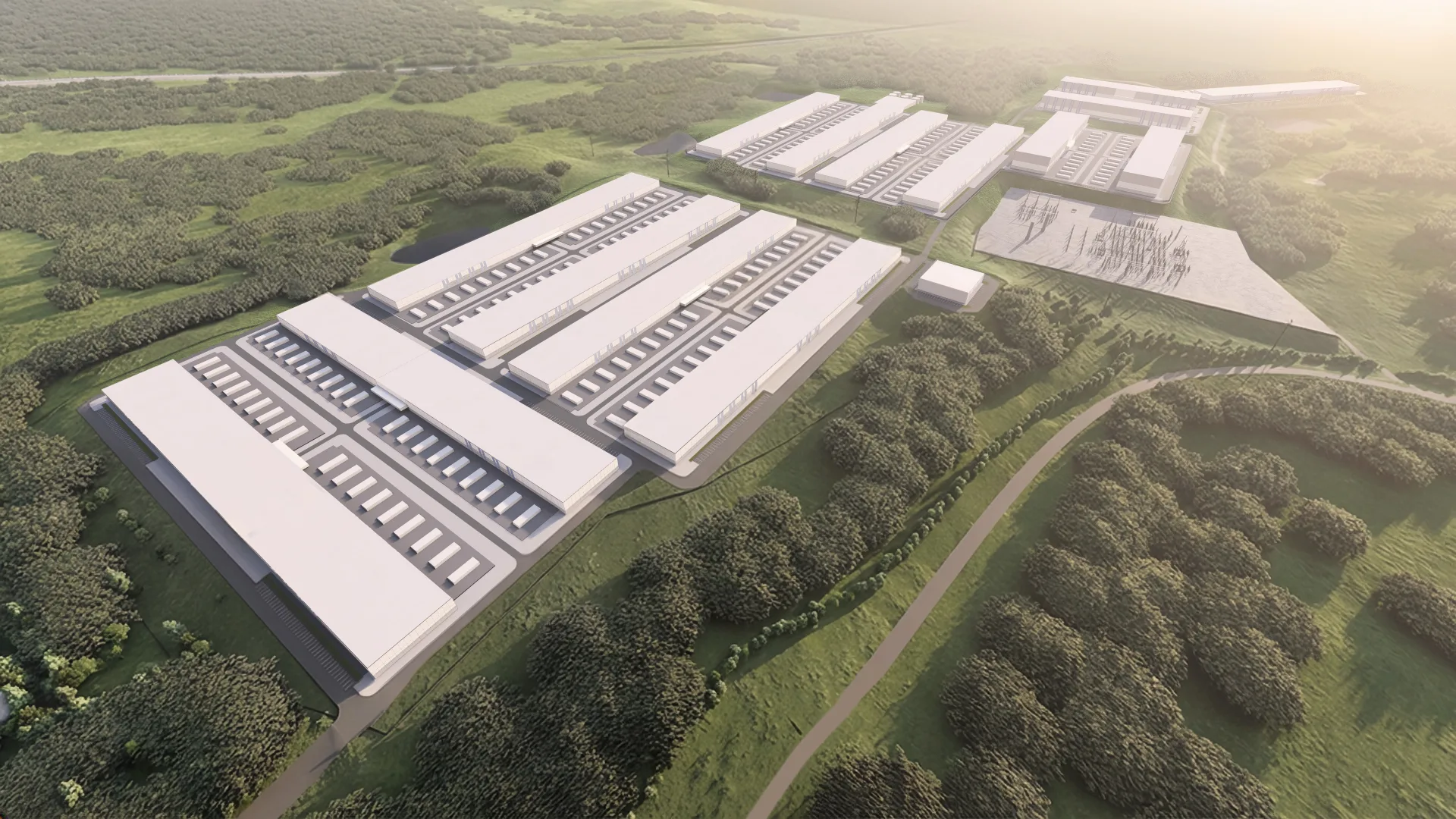
Modern infrastructure, thoughtfully integrated into the community
The Meramec Valley Technology Park is being designed with you and your neighbors in mind. Our goal is to bring long-term jobs, tax revenue, and infrastructure investment to the community while staying a quiet, low-profile presence in the background.
$17B
Capital Investment
2,700+
Construction Jobs
510+
Permanent Jobs
About Meramec Valley Technology Park
The Meramec Valley Technology Park will bring long-term economic benefits to the community by creating hundreds of high-skill technical and support jobs, thousands of construction jobs, and a stronger tax base to help fund local schools, fire and EMS, and county services. At the same time, it is being designed with the community in mind, featuring low daily traffic, strict noise controls, generous setbacks, and strong protections for drinking water and nearby natural areas. Ultimately, this campus is built to deliver real, lasting value to Franklin County with as little disruption to daily life as possible.
Strong Employment Growth
Supports hundreds of high-paying, local technical jobs and thousands of construction jobs over multiple phases.
Supports Local Services and Schools
Grow the tax base that supports our schools, fire/EMS, county services, and local infrastructure.
Infrastructure Investment
Invest private dollars in utilities and infrastructure instead of placing those costs on existing residents.
Quiet Neighbor
Operate quietly in the background, with low daily traffic and strong protection for nearby homes, nature areas, and drinking water.
Partnership
With a $17B capital investment, our project represents one of the largest economic development projects in the history of Franklin County.
Community Benefits
The Meramec Valley Technology Park is designed to be a long-term anchor for The City of Pacific and Franklin County's economy, creating good jobs and a stronger tax base with limited day-to-day impact on nearby neighborhoods.
- Approximately 2,700 construction jobs over multiple phases, supporting local contractors, trades, and suppliers.
- Around 510 permanent, high-paying technical and operations jobs, with average salaries more than twice the local average wage.
- Millions of dollars in annual payroll, helping support local businesses, restaurants, and services.
Strong Employment Growth
- Approximately 2,700 construction jobs over multiple phases, supporting local contractors, trades, and suppliers.
- Around 510 permanent, high-paying technical and operations jobs, with average salaries more than twice the local average wage.
- Millions of dollars in annual payroll, helping support local businesses, restaurants, and services.
Stronger funding for schools and services
- Data centers generate ongoing property taxes, sales/use taxes, utility franchise fees, and other public revenues.
- Under Missouri’s tax structure, a large share of property tax revenue goes directly to local school districts and colleges.
Taking pressure off existing taxpayers
- Data centers reliably expand the tax base and allow community development objectives to be achieved earlier than otherwise possible.
- The project is designed so that major infrastructure upgrades including power, water, and sewer are paid for by the project and its utility agreements, not by shifting costs onto existing households.
- A broader commercial tax base can help reduce pressure for future residential tax increases, while still funding the things residents value most: schools, public safety, and quality-of-life investments.
Environment & Water
People in Franklin County have made it clear that protecting wells, the Meramec River, and local wildlife is not negotiable. The County's rules and this project's design both start from that point.

Protecting drinking water and wells
- Data centers are prohibited from using commercial groundwater wells for non closed-loop cooling under the new proposed Franklin County data center regulations.
- Our cooling water will only come from treated wastewater from the City of Pacific's wastewater treatment facility, or the facility will use closed-loop air cooling systems.
- Air-cooled (dry cooling): Uses zero water for cooling. A facility using only air cooling has a Water Usage Effectiveness (WUE) of 0. This is the industry’s gold standard in water-stressed areas.
- Closed-loop liquid cooling: Water circulates internally in a sealed system. Once filled at construction, can reduce freshwater consumption by up to 70%. These systems are now the standard for new high-density AI facilities.
- Using reclaimed wastewater eliminates demand for potable water and does not impact regional aquifers.
- Potable water will be limited only to the life safety needs of the building: toilets, sinks, and fire suppression – not for cooling.
- If water is necessary for cooling, waste water will be treated up to city standards and will not introduce any new chemicals or pollutants to the wastewater or natural ecosystem.
Maintaining a green campus that aligns with the community
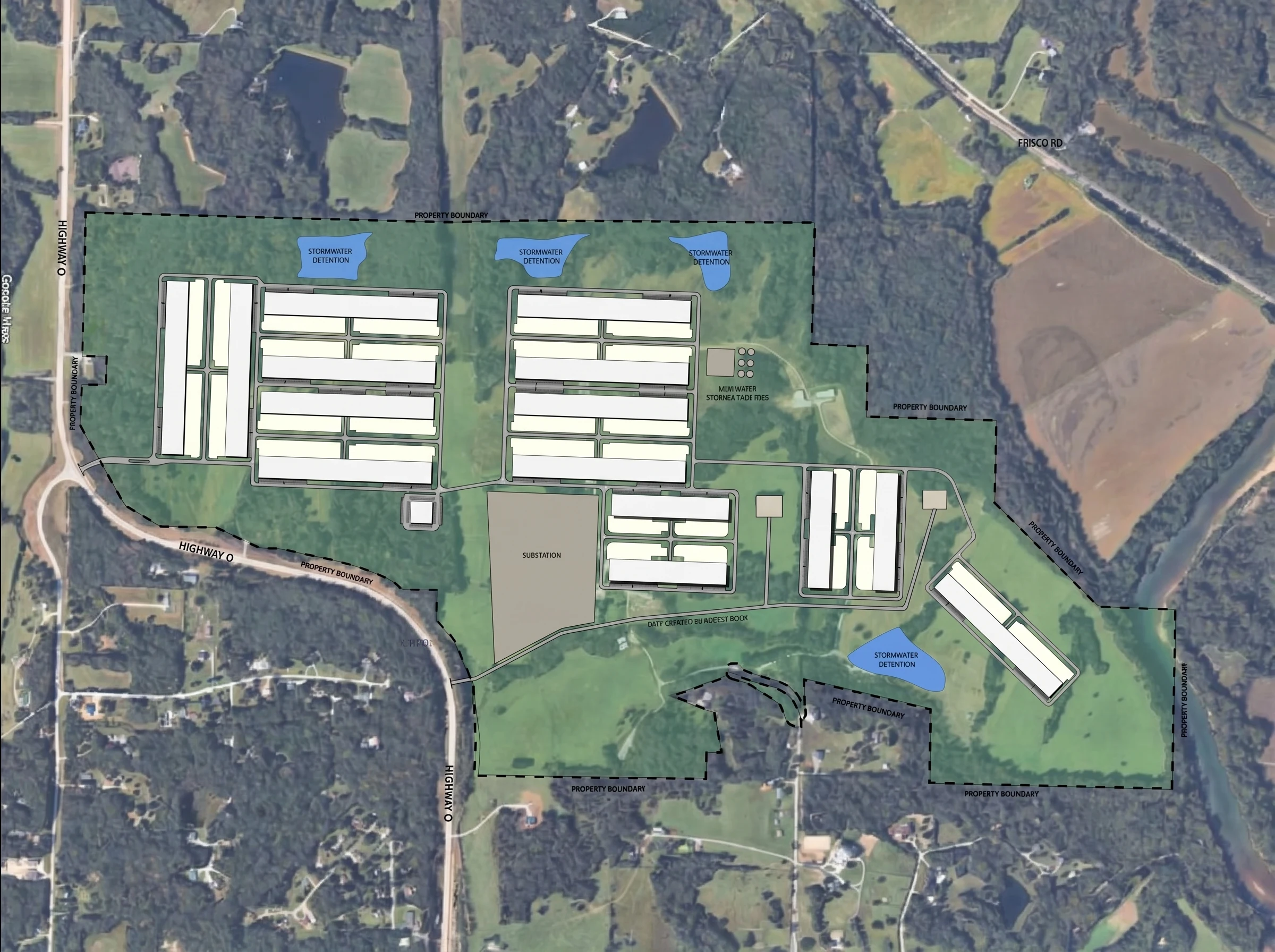
- At least 10% of the site will remain as open space to include woodlands, meadows, stream buffers, trails, and landscaped buffers.
- The campus layout keeps the most intensive activity in the interior, preserving natural edges and room for wildlife movement around the perimeter.
- Lighting and fencing standards are written to reduce glare, protect night skies, and allow wildlife to maintain movement patterns.
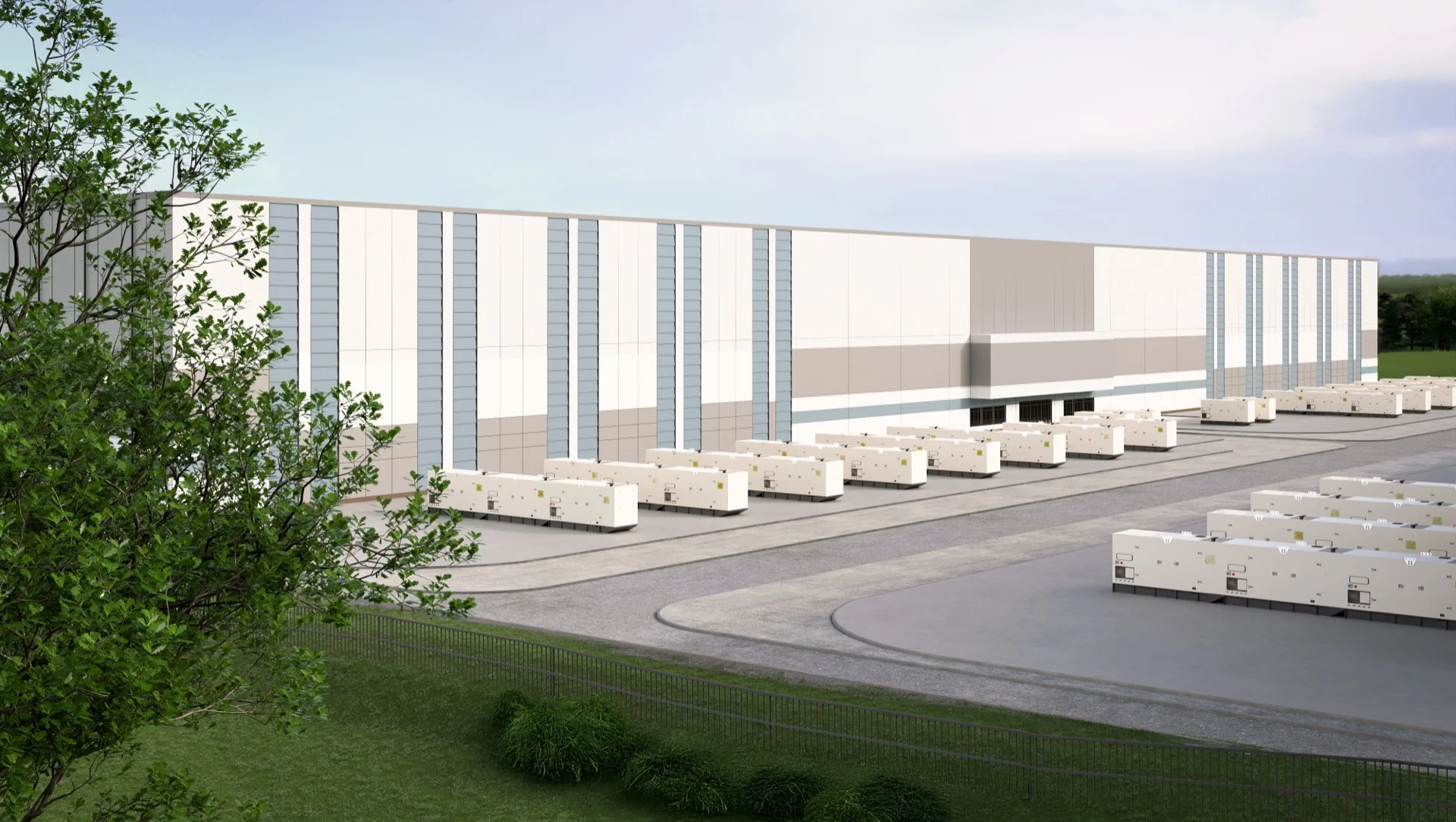
- Generators and cooling equipment are turned inward, away from property lines and streets.
- Land disturbance permits and SWPPP requirements protect soil, waterways, and ecosystems during construction and operations.
- Air emissions from generators are regulated through rigorous state and federal air-quality permitting programs.
- Established environmental regulations govern water discharge, stormwater management, and hazardous materials handling.
For neighbors
Built-in protections for the surrounding community
County Regulations
How the County put guardrails in place for residents
Projects of this scale operate under multiple layers of regulatory oversight, including local zoning review, state environmental permitting, federal regulatory requirements, and utility infrastructure planning. In Franklin County, the Unified Land Use Regulations (ULUR) and the proposed Data Center Text Amendment establish comprehensive local standards for site placement, setbacks, infrastructure coordination, and operational impacts.
Developed in direct response to community feedback, these measures establish one of the region’s most comprehensive local data center frameworks—designed to protect nearby residents and sensitive areas while enabling thoughtfully planned projects that deliver long-term community benefits.
- Big buffers and setbacks (400 feet) between data centers, homes, parks, and nature areas.
- Strict limits on noise at the property line and required sound studies.
- Clear protections for drinking water and requirements to prioritize recycled wastewater for cooling.
- Required open space, landscaping, and wildlife-friendly design.
- Utility rules that make sure the data center pays its fair share.
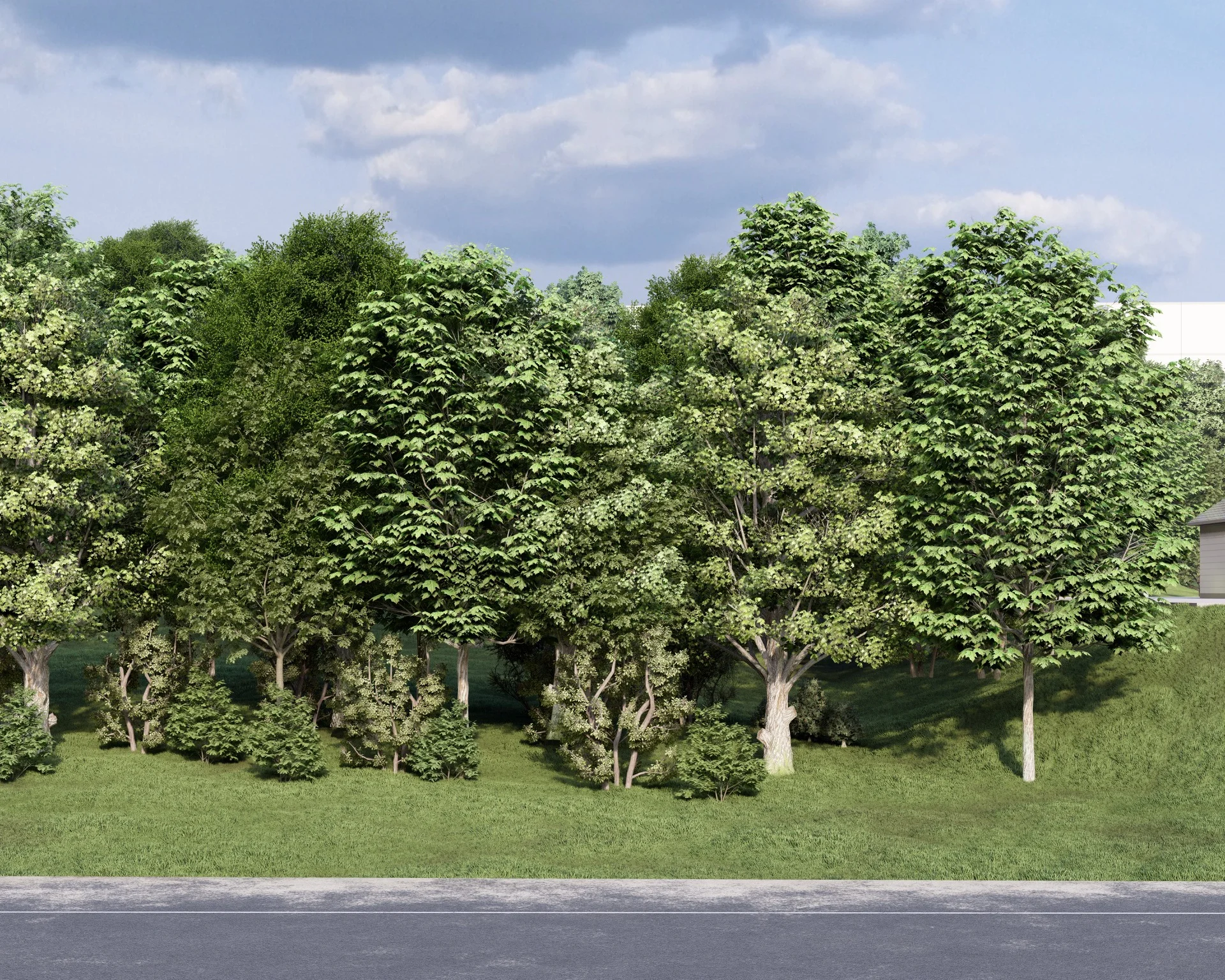
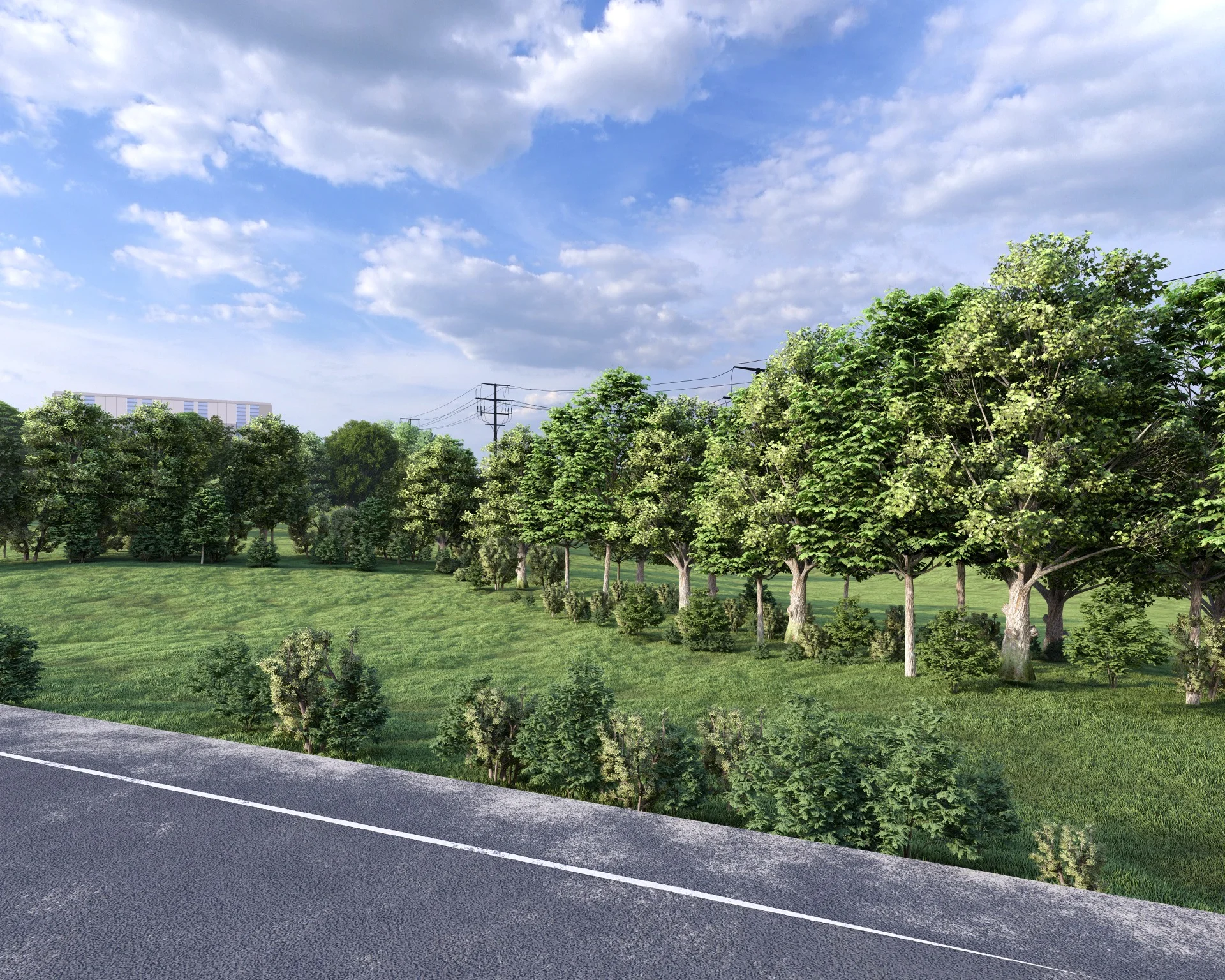
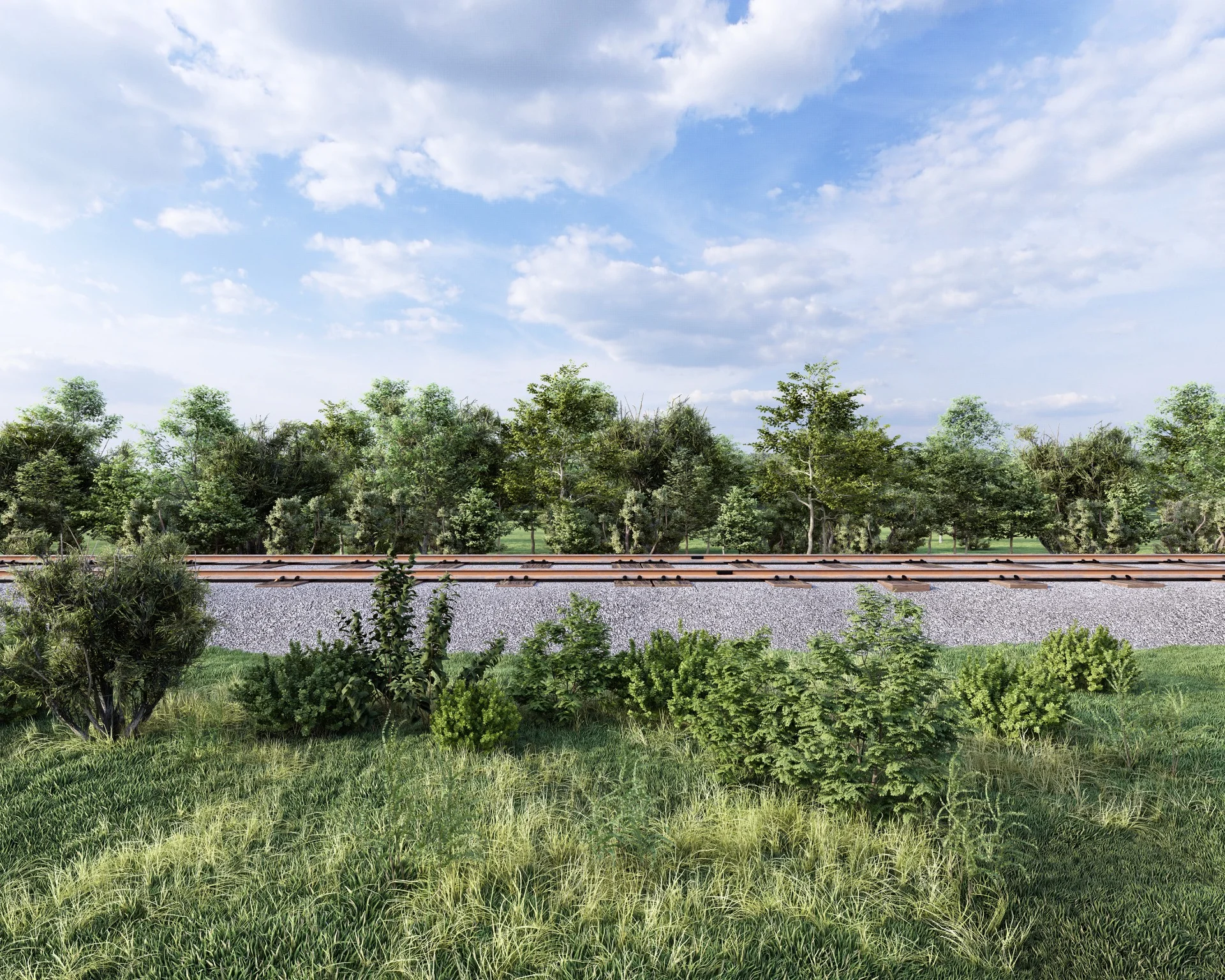
FIELD SURVEY · THREE VIEWS
What Neighbors and Passersby Will See
Have questions about the project? We're here to talk.

Necessary Infrastructure for the Future
The responsible development of data centers is both a local opportunity and a national priority. Communities that plan them carefully can capture billions in private investment, strengthen school and county revenues, and bring modern utility infrastructure, while keeping day-to-day impacts low for nearby residents.
Data centers are an integral part of everyday life, even if you never see them. They quietly power the apps, services, and systems your family already uses, and are critically important for essential services like hospitals and emergency response.
Everyday Uses
- Texting and email
- Social media apps
- Streaming movies and TV
- Streaming music and podcasts
- Online gaming
- Online shopping
- Food delivery apps
- Online banking and bill pay
- Credit/debit card transactions
- Cloud photo backup
- Cloud document storage/sharing
Educational & Workforce
- School homework portals
- Classroom apps and learning platforms (LMS)
- Online testing and grading systems
- Video meetings for work
- Shared online work documents
- Cloud file storage for classes and teams
- Remote work collaboration tools
- Email and messaging for teachers and teams
- School and university online portals
- Career training and certification platforms
Essential Services
- Hospital systems and medical records
- Medical imaging and lab systems
- 911 dispatch and emergency communications
- Police, fire, and EMS information systems
- Utility monitoring (power grid, water systems)
- Transportation and traffic management systems
- Government records and online services
- Disaster recovery and backup systems
- Voting and election-related information systems
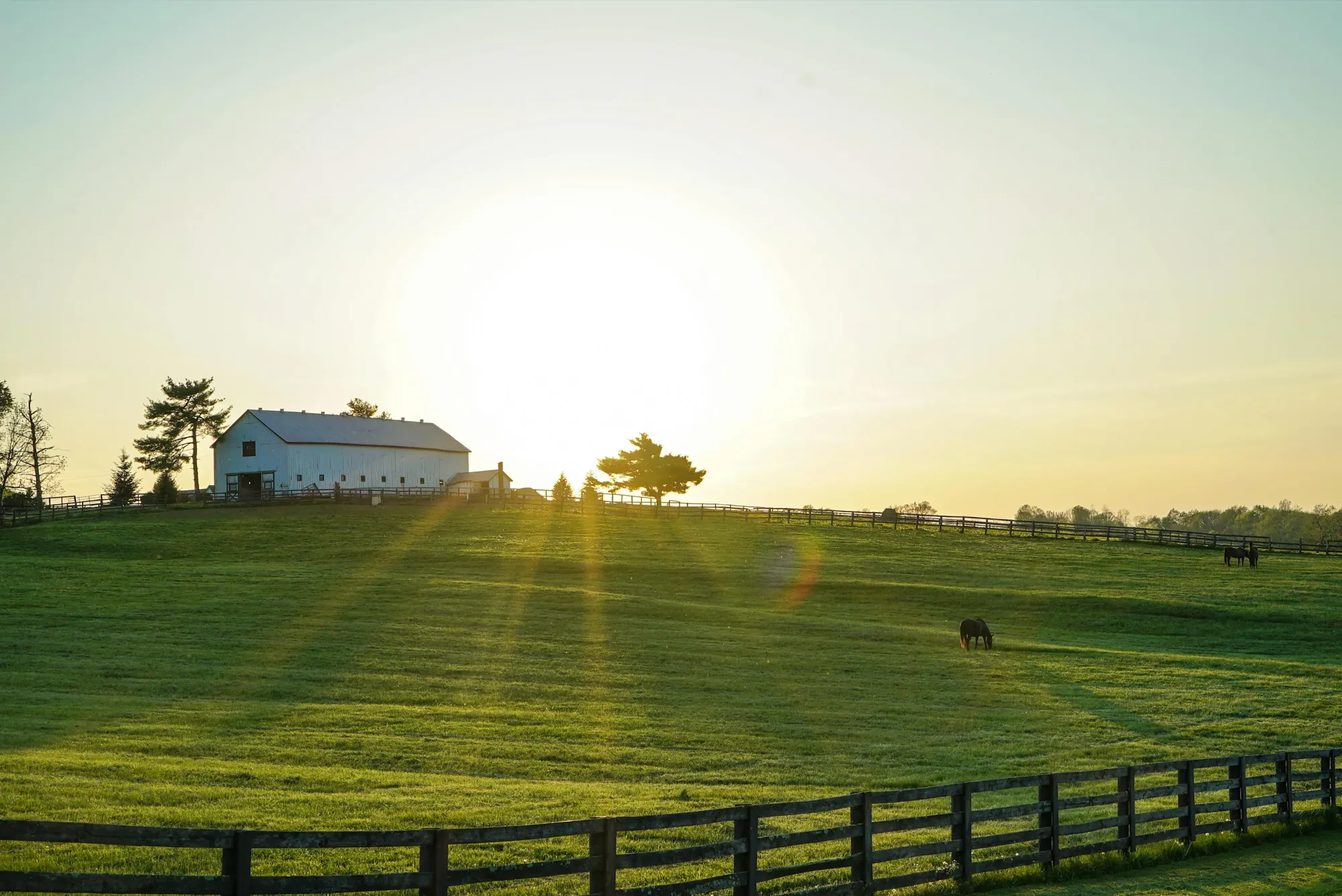
Power and Our Community
Large power users such as data centers are typically served under specialized utility arrangements that are closely overseen by state regulators. These arrangements ensure that the data center pays its fair share of the costs to build and maintain the electrical infrastructure it needs, rather than shifting those expenses onto existing households and small businesses.
In 2025, the Missouri Public Service Commission approved Ameren’s Missouri Large Load Rate Plan (LLRP) to help manage facilities with very large electricity demand and prevent negative impacts on other ratepayers. Revenue-sharing mechanisms within LLRP also allow existing customers to benefit when revenues from these large users exceed the cost of providing their service.
For the Meramec Valley Technology Park, that means:

Sound
What you should expect at the property line
The proposed Meramec Valley Technology Park is a multi-building hyperscale data center campus on just over 500 acres, providing ample space to thoughtfully manage and reduce noise. The facilities are designed as secure, inward-oriented campuses, with generators, cooling equipment, and loading areas placed toward the interior of the site rather than along property boundaries.
This large site allows for substantial setbacks from neighboring properties, internalized infrastructure, and landscaped buffers that preserve existing wooded areas. A core promise of the project is that it will operate quietly in the background, and both the County’s regulations and the site’s design are focused on making the data center a low-sound, low-profile neighbor.
What the rules require
- Near homes, parks, and key natural areas, the facility is required to adhere to strict noise requirements.
- Everywhere else, noise is capped at a modest increase over what’s there today.
- Independent engineers must model noise before approval and test it again once each phase is running. If readings ever exceed the limits, the operator has to fix it.
For neighbors
Built-in protections for the surrounding community
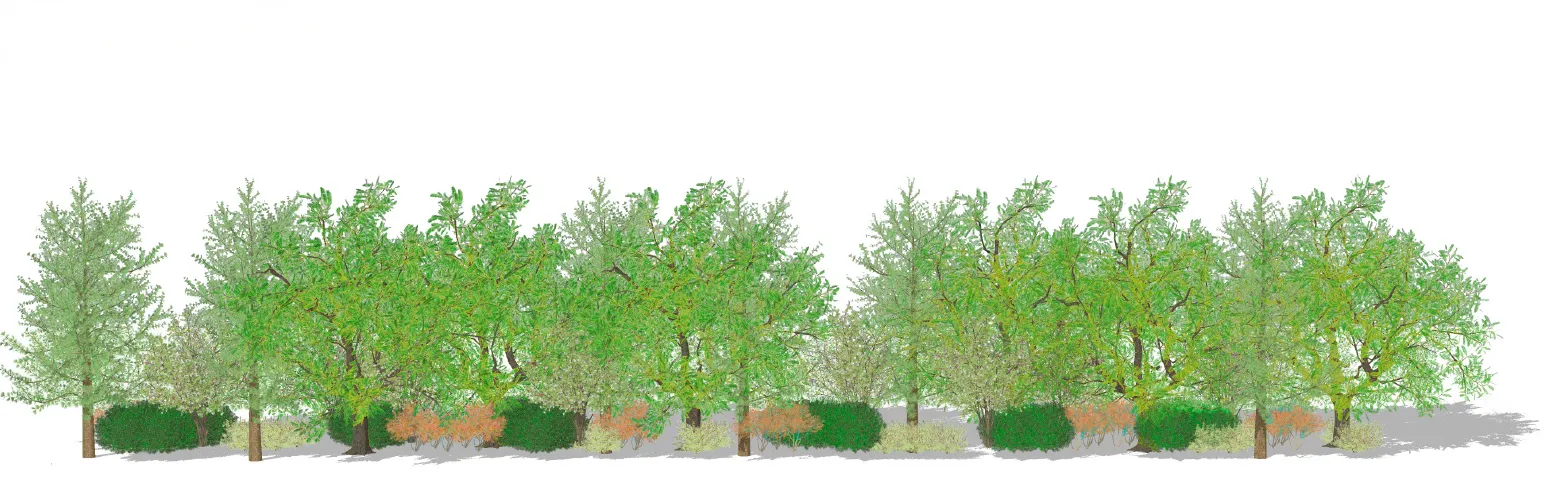
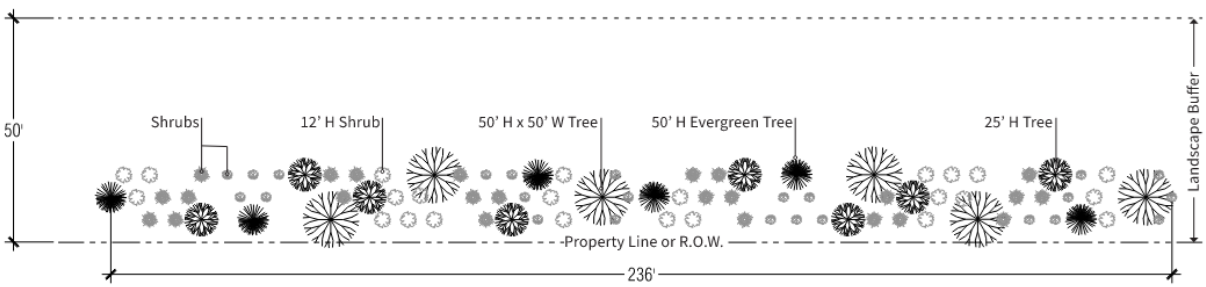
Tree buffers and setbacks keep the campus a quiet, low-profile presence in the background
Land Use Comparison
How data center campuses compare to alternative development options
Comparative Analysis of Land Use Types
| Category | DATA CENTER | Warehouse | Retail | Residential |
|---|---|---|---|---|
| Daily Traffic | Low | High | High | Moderate |
| Truck Traffic | Very limited | Frequent | Regular deliveries | Very limited |
| Permanent Jobs | Moderate, highly skilled | Moderate, logistics-focused | Higher count, service-oriented | None |
| Average Wages | High | Moderate | Lower to moderate | N/A |
| Public Service Demand | Low | Moderate | Higher | Higher (schools, local services) |
| Tax Revenue Stability | Very stable, long-term | Moderate | Market-dependent | Stable but service-intensive |
| Land Use Intensity | Moderate size buildings, low activity | Large buildings, high activity | Smaller buildings, high activity | Smaller buildings, continuous activity |
Data center campuses offer significant advantages in traffic, wages, and tax revenue stability
Swipe to compare all options →
Frequently Asked Questions
We’ve heard the questions our neighbors are asking. Here are straightforward answers.
About the Project
A data center is a secure facility that houses computer servers and networking equipment used to store and process digital information. These facilities support many services people rely on daily, including email, banking, healthcare systems, social media, streaming, and other online communications.
Financial Impact
Infrastructure & Environment
Quality of Life
A data center is a secure facility that houses computer servers and networking equipment used to store and process digital information. These facilities support many services people rely on daily, including email, banking, healthcare systems, social media, streaming, and other online communications.
Still have questions?
We're happy to talk through any concerns you have about the project.